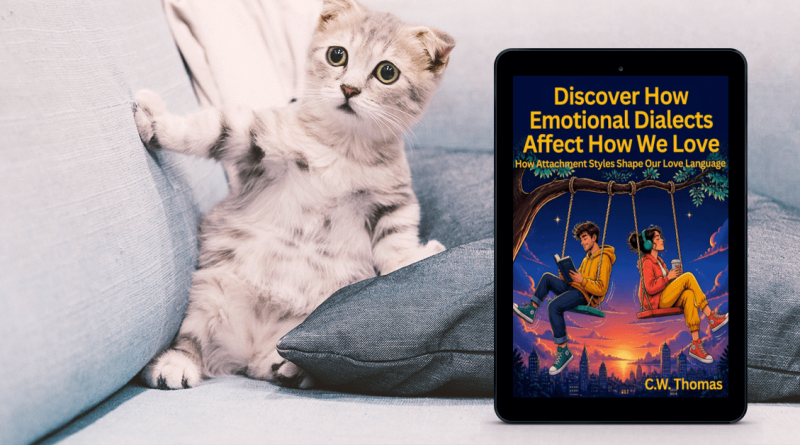
Life Languages: How Attachment Styles Influence Our Love Languages – Book Review
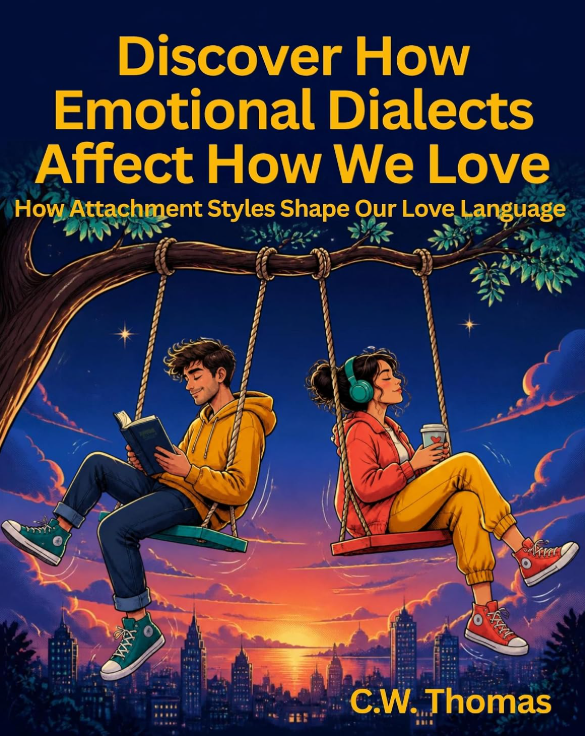
by C.W. Thomas
Sometimes two people genuinely love each other and are still somehow missing each other at every turn. One person needs to hear reassurance; the other shows love by solving problems, taking care of practical things, or simply staying close. Both are trying, but neither feels fully understood.
It’s like you’re speaking two different languages…
That’s the essence of C.W. Thomas’ intelligent relationship guide, Life Languages, which ties attachment types to the ways we give and receive love.
Most readers are probably aware of the idea of love languages, but this book takes it one step further. Thomas looks at how the level of anxious, avoidant, or secure attachment type affects what love needs to look and feel like to each person.
And this is such an important look at the concept of love languages, I think every couple should read it.
Technically, two couples can share the same love language, for example, yet need quite different things from it. One might consider quality time as intense conversation and undivided attention, while the other might feel connected sharing a quiet space. That’s where this book really starts to click.
It will honestly change how you look at all the relationships in your life.
The writer is sympathetic to both sides of the anxious-avoidant relationship. It does not make one spouse “the problem” or make emotional needs a shameful thing. Rather, it urges readers to delve beyond the seeming surface of common relationship issues, and to wonder what fear, past experience, or unfulfilled need might be coloring the reaction.
What I liked best is that Life Languages is not content to just recognize trends and leave readers at that. It includes practical questions for contemplation, frequent misunderstandings, ideas for “bridge gestures,” and a simple weekly check-in exercise designed to help couples better understand what genuinely makes the other feel loved. It is more about curiosity, clearer communication, and learning how to translate rather than expecting a partner to know immediately what is needed.
There is also a kind of mild faith-based thread throughout the book, especially when talking about anxiety, healing, and secure attachment. It is woven throughout the advice rather than overtaking the whole book, so it feels like part of the author’s approach to emotional growth and relationships. I do think it will resonate with other readers too.
Life Languages is a warm, engaging book for anyone who has ever been caught thinking, “Why does it feel like we are trying so hard and still not connecting?” It’s especially suited to couples who recognize the push and pull of anxious and avoidant tendencies, but there’s helpful knowledge here for anybody trying to better understand their own marital routines.
If you want a relationship book that goes beyond the fast quiz result of love languages and gives you practical ways to take that learning and apply it in your everyday life, this is a good one to read. This would also make a great gift idea for a couple you know.