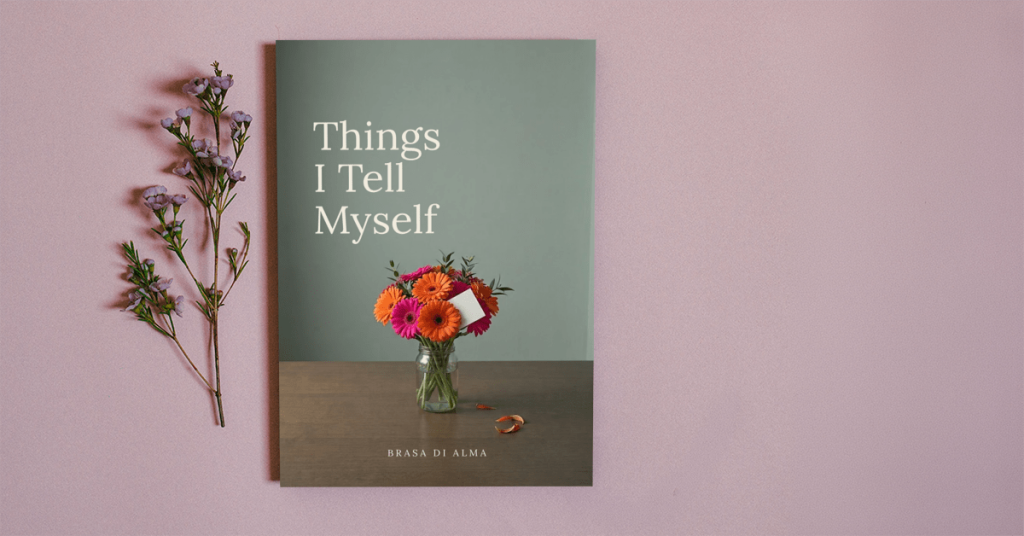
Things I Tell Myself – Book Review
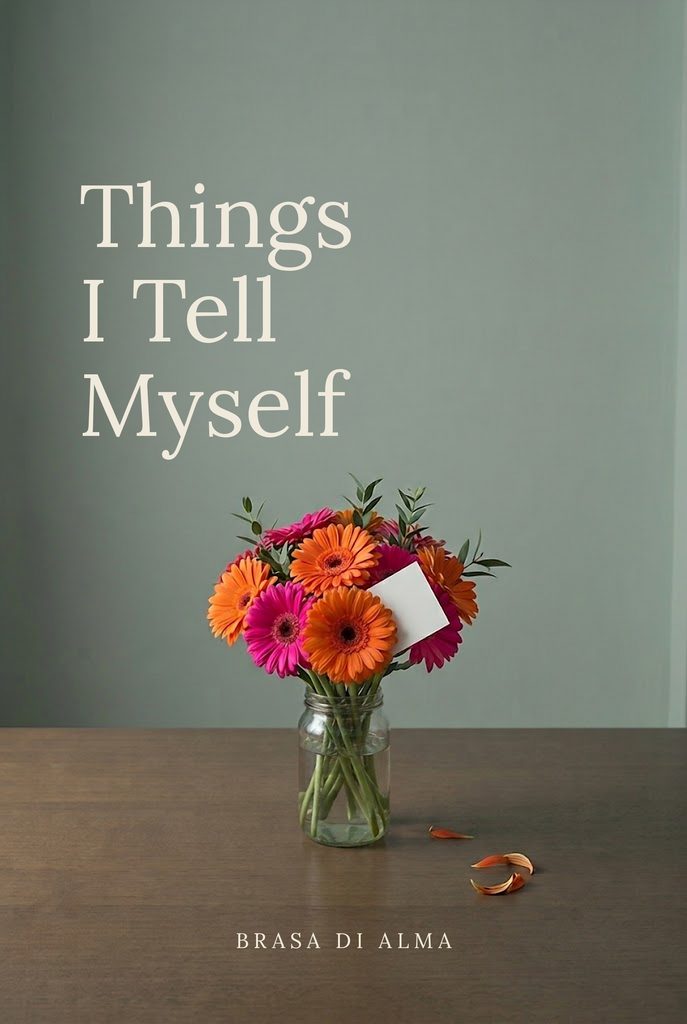
Things I Tell Myself is a quiet novella that cuts into the psychology of grief and how it distorts reality from the inside. It’s the story of a woman alone in her house she once shared, without the person she once shared it with. And as she goes through her day-to-day motions, trying to survive the grief, we see the line between healing and hiding is very thin.
In Brasa di Alma, we’ve got a narrator who, not only is grieving a relationship, but trying to survive the stories she has learned to tell herself in order to make loneliness, abandonment, and pain bearable. If you’ve ever been there, this will resonate so strong within you.
The novel’s strength lies in its restraint. Rather than dramatic pronouncements, it accrues its sense of disquiet through everyday particulars: a cup of coffee, a house that’s too big, flowers at the door, a message left unheard. Each small moment carries weight, and the prose keeps the reader close to a woman whose inner life is both tender and increasingly fragile. The result is deeply intimate and unsettling in exactly the right way.
Di Alma also tackles the history of the relationship with remarkable emotional accuracy. The book shows how control, neglect, affection, and harm may get mixed up until it’s hard for someone living inside that dynamic to describe what is happening. There is no sensationalism in this. Instead, the narrative allows the reader to feel the steady loss of selfhood and the desperate logic behind the narrator’s struggle to hold on.
Things I Tell Myself is a novella-length book and a quick one, but not a slight one. It stays because it makes us ask the uncomfortable questions about memory, denial, survival, and where the line is drawn between healing and hiding. The voice is cold, frigid, wonderfully controlled, but it finds space for great tenderness.
This is a great pick for readers who enjoy literary fiction with a touch of dark psychology, especially anyone who’s interested in the controlled dread of Shirley Jackson, the emotional acuity of Ottessa Moshfegh or the intimate discomfort of Julia Armfield. A thought-provoking novella that haunts you long beyond the last page.
Content note: This book contains grief, an abusive relationship, depression, alcohol usage, and suicidal thoughts.