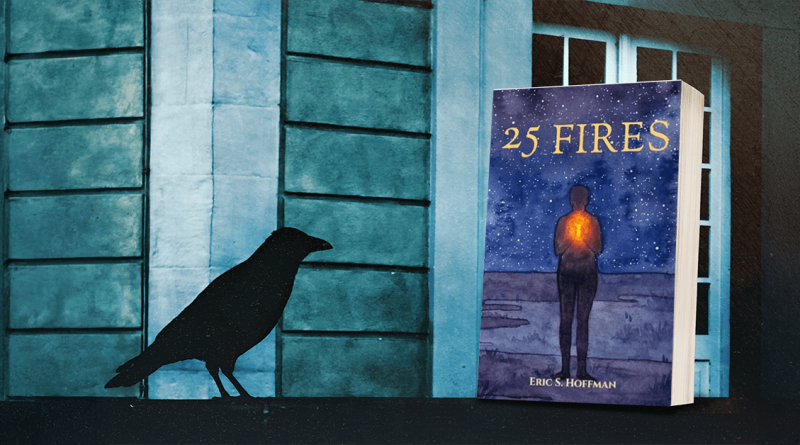
25 Fires: A Call To What Comes Next
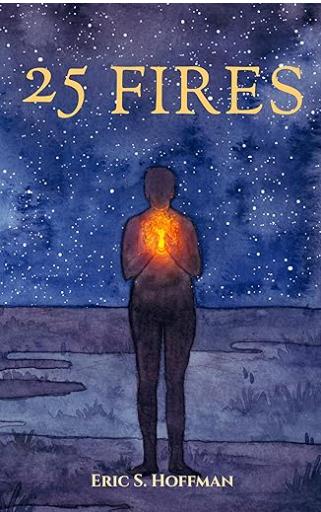
25 Fires is precisely what its title suggests: sparks of light against the gloom in a time of doomscrolling, outrage cycles, and general tiredness.
I love modern poetry and prose and I was very intrigued by the book description, so very grateful to receive a review copy so I can read and tell you all about it (spoiler-free).
From the jump, I liked the dedication that reads “This one is for my kids”.
Unlike many books now available, 25 Fires is a combination of prose poetry, philosophical meditation, and a call to action for a better future (which is why that dedicated really hits the nail on the head). The book, which is organized into twenty-five little chapters, or “fires,” shifts from societal criticism to cosmic amazement, from hopelessness to optimism, resulting in an intellectual and emotional trip that feels both very personal and generically human.
It’s a book that will make you think, and keep thinking long after you’ve put it down. Which really, is the point.
Hoffman’s voice is straightforward, conversational, and genuinely sincere. He writes with the urgency of someone who is acutely aware of the fissures in contemporary life, including the psychological effects of living in a hyperconnected society, failing institutions, economic inequalities, environmental crises, and loneliness. However, cynicism is not a recurring theme in this book. Rather, 25 Fires boldly responds with optimism to one of humanity’s oldest questions: “What comes next?”
And isn’t this something we should be asking ourselves too?
Hoffman addresses a wide range of topics without being scholarly or unapproachable, including democracy, spirituality, evolution, capitalism, climate change, and human purpose. Because the language is purposefully simple, complicated concepts feel immediate and relevant. The text stays rooted in common experience, whether it is talking about the loneliness of digital life, the fear of contemporary life, or the wonder of our cosmic origins.
The structure itself reflects the process of change. While subsequent chapters progressively move toward restoration, collaboration, and individual autonomy, the early portions face difficult facts head-on. This progression—first naming the fire, then learning how to carry it—gives the book a rhythm that is almost meditative. I found myself wanting to take a lot of notes about my thoughts as I worked my way through the book.
The book’s assertion that regular people still count is perhaps its most persuasive argument. Hoffman often reiterates the notion that significant change starts locally; in relationships, communities, deeds of kindness, and the decisions we make every day. This really resonated with me because I say something similar to the people in my life regularly.
Readers who prefer modern poetry, spiritual contemplation, philosophical nonfiction, or works that combine humanism and science will probably find a lot to enjoy here. I know I did!
In the end, 25 Fires is a book about recollecting what it means to be human. While acknowledging our age’s weariness, anxiety, and uncertainty, it rejects them as the last word. Hoffman, on the other hand, promotes connection over loneliness, inquiry over cynicism, and optimism over resignation.
25 Fires dares to offer something more radical in a world that frequently benefits from anger and division: trust in humanity’s capacity to improve from its current state.
And maybe that glimmer of optimism is ultimately the brightest fire of all. It’s 5 stars from me, and I highly recommend.
You can get it for yourself on Amazon in paperback or Kindle editions.