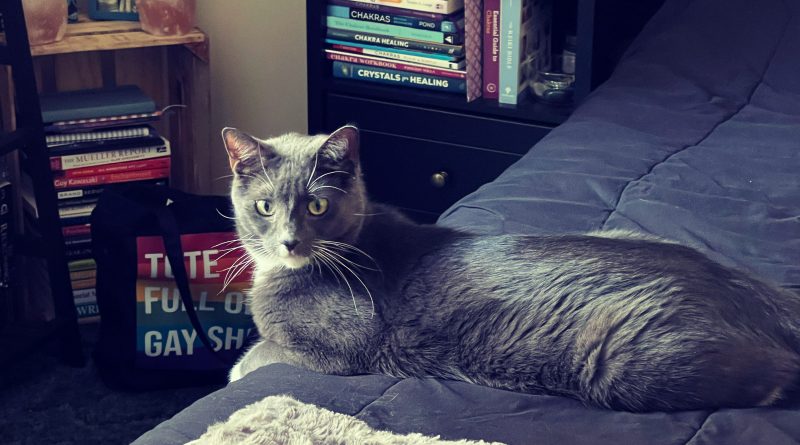
Support Grub’s Surgery for a Pain-Free Life
Please help us heal my son’s cat. Grub is my son’s ESA and he was one of the first cats we took in. He was born in a feral colony near Atlanta, GA, and if he had not been rescued as a kitten, he likely wouldn’t be alive today. His conditions would be very difficult to live with in the harsh life on the streets and without medical intervention.
Grub has stomatitis and needs surgery to remove his teeth. This condition is causing him a lot of pain, trouble eating, and he is having a flare-up of other immune issues to his skin.
His surgery is scheduled for March 10th.
What is feline stomatitis?
-also known as feline chronic gingivostomatitis (FCGS)-
Think of it as a cat’s immune system over-reacting and attacking its own mouth. This is not just “bad teeth” or “gingivitis”. With this condition, their body treats plaque, bacteria, and even their own teeth and gums like a danger and the immune system begins attacking it.
This creates severe, painful swelling and sores on the gums, tongue, cheeks, and sometimes also in the back of the throat.
Symptoms of feline stomatitis can include:
- Bright red, angry gums
- Ulcers or raw patches in the mouth
- Drooling (sometimes bloody or thick)
- Bad breath
- Trouble eating, dropping food, or refusing food
- Weight loss and obvious pain
- Personality changes because of chronic pain
In Grub’s case, it’s also triggering allergic reactions in his skin
Stomatitis is not an infection you just “clear up.”
It’s an immune system problem. The mouth is reacting too strongly to normal things that wouldn’t bother most cats.
What is the treatment?
Regular dental cleanings and antibiotics usually don’t fix it long-term. For many cats, the only real relief comes from removing most or all of the teeth, because teeth are the main thing the immune system is reacting to.
In cats with stomatitis, the immune system has basically decided, “Teeth are the enemy.”
Not just cavities. Not just infection. The teeth themselves – or more specifically, the bacteria and plaque that naturally live around them – trigger an extreme immune reaction. The body overreacts and floods the mouth with inflammation.
No teeth = nothing for the immune system to attack.
Additional complications for Grub
He also has asthma and this creates additional risk with putting him under. The doctor will do her best to be fast and keep him under for as little time as necessary.
Why his stomatitis flares his skin allergy
Feline stomatitis is an immune system overreaction. And the immune response is not limited to just the mouth.
If a cat has stomatitis, their immune system is already in hyper-alert mode. It’s reacting too strongly to normal bacteria in the mouth. That same hypersensitive immune system can also overreact to things on the skin like pollen, food proteins, dust mites, or fleas.
When a cat’s mouth is constantly inflamed, their body is constantly producing inflammatory chemicals – things like cytokines (basically immune system messenger signals). These circulate through the bloodstream. The immune system becomes “primed.” In that primed state, it’s more likely to overreact elsewhere.
In addition, both stomatitis and allergic skin disease involve an immune response that is too strong and misdirected. In some cats, the underlying issue may be a broader immune dysregulation. In plain terms: the immune system is bad at distinguishing “harmless” from “dangerous.”
So the same cat who overreacts to plaque bacteria may also overreact to:
– Food ingredients
– Environmental allergens
And finally, stomatitis creates system stress on the body. Chronic pain and inflammation weaken the body’s balance. Stress hormones rise. Grooming habits change. Skin barrier function can worsen. A cat in chronic oral pain may overgroom, undergroom, or chew at itchy areas more aggressively. That can amplify skin symptoms.
Stomatitis will:
- Worsen existing allergies
- Make immune reactions more intense
- Make skin symptoms harder to control
Removing Grub’s teeth may clear his skin symptoms considerably (in some cases, they even go away altogether).
He needs this surgery, and he needs it soon to end his suffering. Unfortunately, funds are low. We just paid over $1,000 for another cat surgery in December. And a $600 visit last week for another cat suspected of having diabetes or a thyroid issue.
We’ve already paid $300 for pre-surgery labs, including heart testing, and his annual physical. By scheduling his appointment in February (Pet Dental Health Month) we received a 20% discount on the surgery. I am attaching a quote from the doctor, but she did warn that there could be additional charges on the day of because she won’t know the full extent until she does dental x-rays and actually gets in there to see the depth of the situation.